
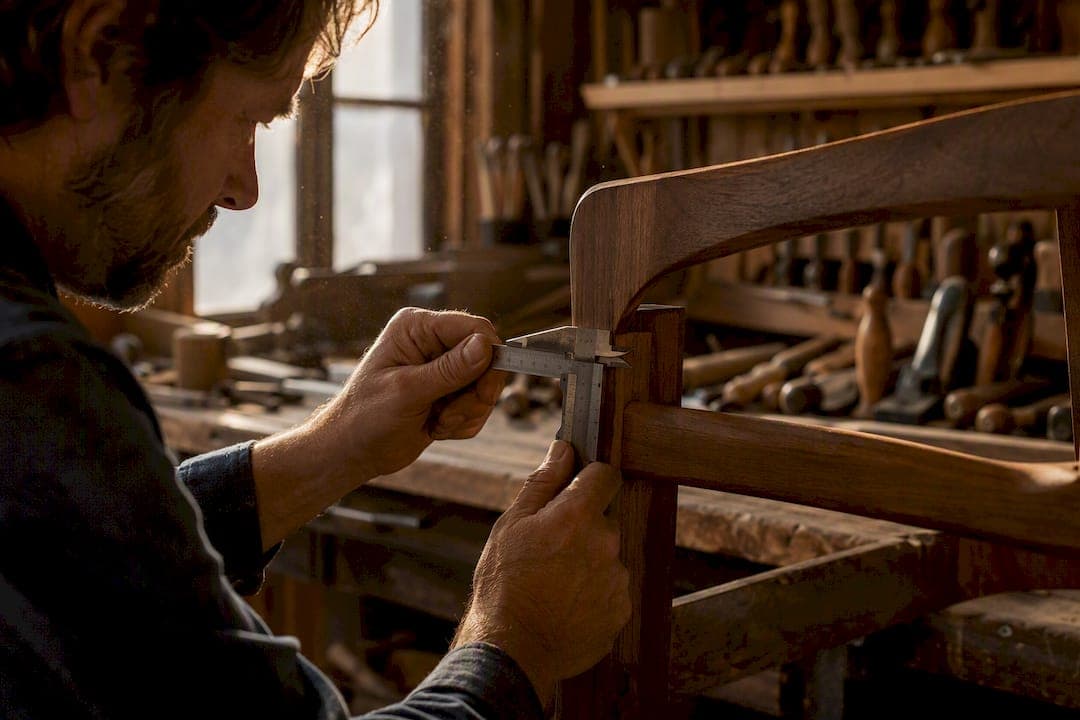
Contract grade furniture is furniture specified and built to commercial tests and warranties so it endures heavy, daily use. It is the category that separates a chair holding up through eight hours a day of hot desking from one that quietly gives up within a year. This matters most to interior designers, procurement teams, and hospitality or workplace managers who cannot afford a callback, a reupholstery bill, or a lobby that looks tired within eighteen months. The dictionary definition puts it plainly: furniture designed and manufactured for commercial installation, as in offices, waiting rooms, or lobbies.
What follows tells you exactly what to check before you commit a budget line to it:
- The construction and testing differences that separate contract from residential stock
- The standards (BIFMA, Martindale, Wyzenbeek, Crib 5) that prove a piece can actually take the punishment
- A specification checklist you can hand to any supplier before signing off
Key Takeaways
Contract grade furniture earns its name through documented testing, denser materials, and warranty terms that residential furniture simply doesn't carry.
| Point | Details |
|---|---|
| Definition first | Contract grade means specified, tested, and warrantied for commercial daily use, not just heavier-looking. |
| Know your tests | Ask which abrasion test (Martindale or Wyzenbeek) produced a rub count, since the two aren't comparable. |
| Demand the paperwork | Require test certificates, material lists, and a finish schedule before approving any sample. |
| Match spec to use | Reserve contract grade for high-traffic, public-access, or fire-regulated spaces; residential quality suits low-traffic private rooms. |
| Work with a bespoke specifier | Simmons Interior Supply builds contract-suitable pieces to exact dimensions with CAD drawings and sample sign-off included. |
Table of Contents
- What is contract grade furniture, really?
- Which tests prove a piece can handle commercial use?
- What materials and construction details actually signal durability?
- How do you specify and procure contract-grade furniture?
- Do you always need contract grade, or will residential quality do?
- How Simmons Interior Supply helps you meet contract specifications
- What the industry gets wrong about contract specification
- Get bespoke contract-grade pieces without the catalogue compromise
- Standards and resources worth bookmarking
- Frequently asked questions
- Sources
What is contract grade furniture, really?
Contract furniture exists because commercial spaces punish furniture in ways a private home never does. A dining chair in a restaurant might be sat in and pushed back many times daily, every day, for years. A residential equivalent, however handsome, was never engineered for that. Contract furniture is designed and manufactured for commercial use and tested to higher durability, safety, and performance standards than anything sold on the high street, according to Trilogie's explainer for business decision makers.
The practical differences show up in three places:
- Frame strength. Contract frames use denser hardwoods, kiln-dried to a controlled moisture content, or steel with a heavier gauge, rather than softwood or particleboard cores.
- Foam and suspension. Seating carries higher-density foam and reinforced webbing or spring suspension built for thousands of sit-stand cycles, not the occasional Sunday afternoon.
- Finish and joinery. Multi-stage lacquers, powder coating, and mechanically reinforced joints replace the glued butt joints common in flat-pack pieces.
These aren't cosmetic upgrades. They are the reason lifecycle cost, not sticker price, is the number procurement teams should actually be comparing.
Which tests prove a piece can handle commercial use?
A specification sheet without test data is a marketing leaflet. Genuine contract furniture carries documented results against recognised standards, and knowing what each one measures is the difference between a confident order and an expensive guess.
BIFMA standards, widely used across the seating and systems furniture trade, cover structural strength, stability, and durability through cyclical loading tests. A chair certified to BIFMA has been pushed, tilted, and sat on mechanically thousands of times before it ever reaches a showroom.
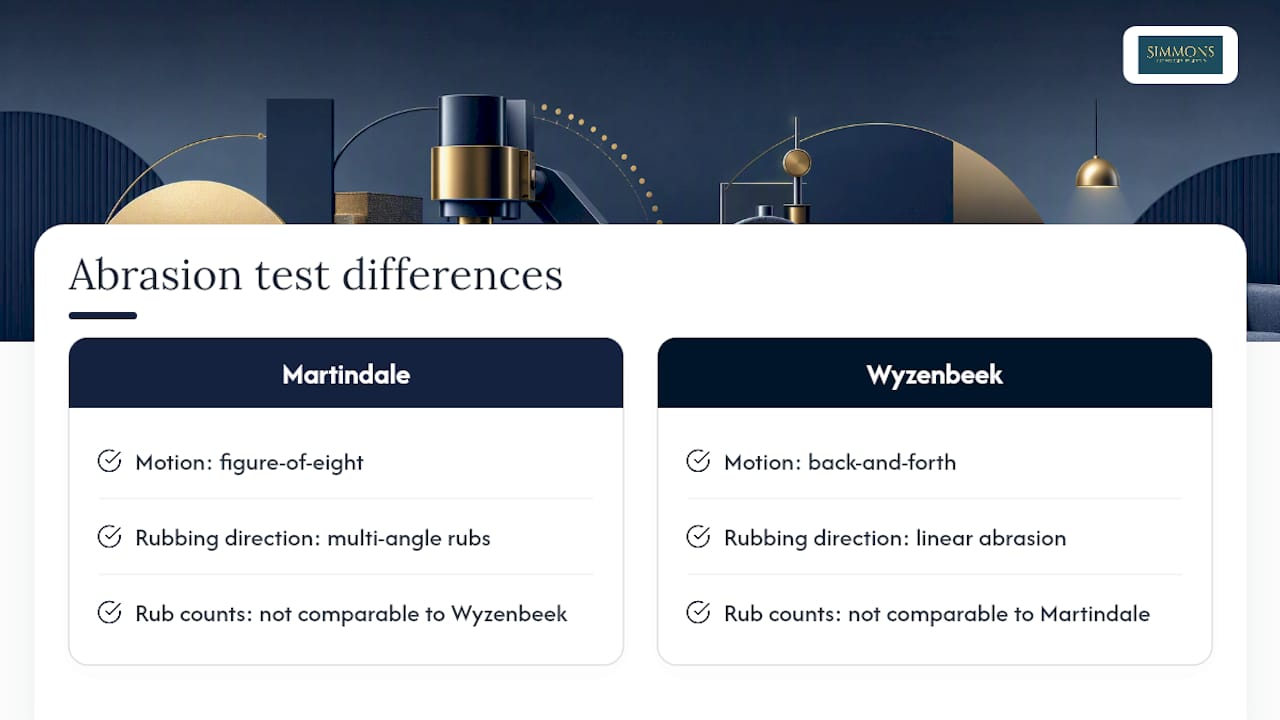
Martindale and Wyzenbeek are the two abrasion tests you'll see quoted for upholstery, and they are not interchangeable. Martindale rubs fabric in a figure-of-eight motion, Wyzenbeek in a back-and-forth motion, and their rub counts cannot be compared directly against one another, a point worth remembering when a supplier quotes a bare number without naming the test method used, as LegalClarity's breakdown of contract-grade materials explains.
Fire performance, often referred to by the shorthand Crib 5, governs upholstery composition and ignition resistance and is frequently a legal requirement in UK commercial and hospitality settings, not merely a nice-to-have.
Pro Tip: When a supplier quotes a rub count, always ask which test produced it and request the full report, not the headline figure. A 100,000 rub Wyzenbeek result and a 100,000 Martindale result do not represent the same fabric performance.
Red flags worth watching for: certificates with no date, no named testing body, or a rub count with no test method attached.
What materials and construction details actually signal durability?
Samples lie if you don't know what to look for. The materials behind a finish or a cushion tell you far more than how a piece photographs.
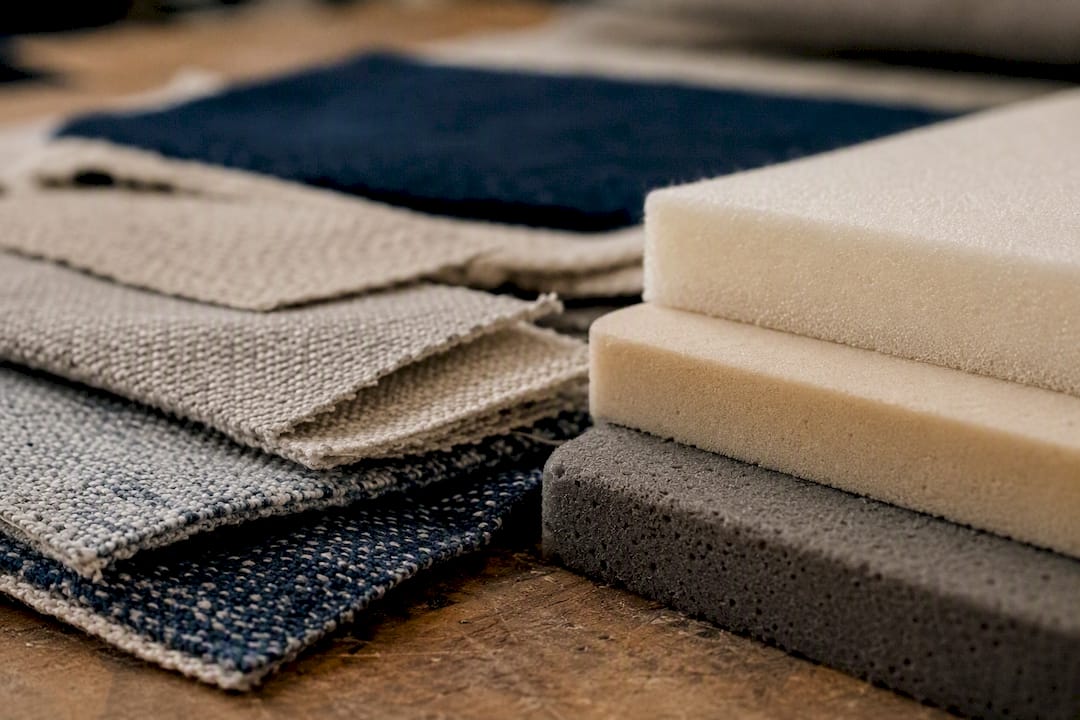
Frame timber should be kiln-dried hardwood, not green or air-dried stock prone to warping under central heating and heavy use. Where steel is used, ask for the gauge; thinner steel flexes and fatigues faster under repeated loading. According to LegalClarity, contract-grade differences consistently show up as stronger frame materials, thicker metal gauges, higher-density foam, and distinct finish methods, together producing meaningfully longer service life.
For seating specifically:
- Foam density in a higher range typically signals contract-suitable cushioning, paired with reinforced webbing or pocket-spring suspension.
- Fabric should carry a named abrasion test result and, ideally, a stain-resistant or antimicrobial finish for hospitality and healthcare settings.
- Upholstery barriers, an inner fire-retardant layer beneath the visible fabric, are often what separates a Crib 5 compliant piece from one that only looks the part.
- Finishes should be multi-stage lacquer or powder coat rather than single-coat spray, since a single coat wears through at contact points within months.
Ask for the raw specification, not the marketing summary, before you approve a sample.
How do you specify and procure contract-grade furniture?
Ordering contract furniture properly is a documentation exercise as much as a design one. Specifiers who skip the paperwork stage tend to discover the gaps only after installation, when it is expensive to fix.
Start by requiring a complete specification package before you commit budget:
- Test certificates for frame, fabric, and fire performance, each naming the test method used.
- A full material list covering timber species, steel gauge, foam density, and fabric composition.
- A finish schedule detailing coat count and application method.
- CAD drawings confirming dimensions against the actual space.
- A signed sample approval before full production begins.
Alongside the paperwork, put these questions to every supplier:
- What warranty period applies, and does it cover frame, foam, and fabric separately?
- What is the spare parts and repair policy once the piece is in service?
- What are realistic lead times for bespoke sizing or finish changes?
- Who coordinates installation, and is white-glove delivery included or costed separately?
Trilogie's guide to contract furniture procurement notes that projects typically rely on dealers or manufacturers supplying specification packages, CAD drawings, and warranties rather than retail purchase, precisely because commercial buyers need this documentation trail. Weigh price against expected service life rather than upfront cost alone. A piece costing more upfront but lasting significantly longer is the cheaper option once you run the numbers over a decade.
Do you always need contract grade, or will residential quality do?
Not every space needs contract-grade construction, and over-specifying wastes budget on durability nobody will test. The decision comes down to three questions: how many people use the piece, how public is the access, and how often does it need cleaning.
Hospitality lobbies, restaurant seating, and school furniture face constant turnover of users and regular commercial cleaning, both of which demand contract construction and proven fire performance. A private director's office or a meeting room used twice a week by the same six people rarely needs the same specification, and high-quality residential furniture can perform perfectly well there. Designers increasingly favour a hybrid approach, using contract-grade pieces where wear is genuinely heavy and residential comfort everywhere else, as Wildheart Design's take on contract-grade furniture at home sets out.

A workable rule of thumb: if the piece will be used by strangers, cleaned commercially, or must meet a fire regulation, specify contract grade or consider specialised items like a Perspex Conference Lectern for meeting and conference spaces. If it's used daily by the same small group in a low-risk setting, residential quality is often the smarter spend.
How Simmons Interior Supply helps you meet contract specifications
Simmons Interior Supply builds bespoke furniture to the sizes, finishes, and performance requirements a commercial brief demands, rather than adapting a fixed catalogue range to fit. Every piece is handcrafted with skilled artisans, which means frame timber, foam density, and finish schedule can all be specified to your project rather than accepted as a manufacturer's default.
Trade clients working with us typically ask for:
- Full CAD drawings before production, so dimensions are confirmed against the actual space
- Guidance on FSC-sourced timber and Crib 5 upholstery compliance for hospitality and public-facing projects
- White-glove delivery coordinated around installation schedules, not generic courier slots
- Sample approval sign-off before a full production run begins
Bespoke manufacturing only earns its place in a contract specification when the paperwork behind it, test certificates, material schedules, and warranty terms, is as considered as the finish itself.
Browse examples such as the bespoke nest of coffee tables or the Hammered Coffee Table to see the finish and sizing range available, then request a specification meeting to talk through your project's requirements directly.
What the industry gets wrong about contract specification
Most guidance on contract grade furniture treats certification as the finish line. It isn't. A BIFMA badge or a Martindale rub count tells you a component passed a test in isolation; it says nothing about whether the finished piece, assembled with those components, will hold up in your specific environment. I'd argue the conventional advice, "check the certificates and you're covered," is where too many procurement teams get comfortable too early.
The gap that actually costs money is documentation continuity: certificates that don't specify which fabric batch or frame revision they apply to, warranty terms that quietly exclude the component most likely to fail first, and suppliers who quote rub counts without naming the test method, a habit LegalClarity's analysis flags as a genuine interpretation risk.
If you take one thing from this, prioritise asking for the raw test report over the summary sheet, every time. A market this large, with contract manufacturers doing business in the billions, has plenty of suppliers happy to let a headline number do the talking. The ones worth working with won't mind you asking for the detail behind it.
Get bespoke contract-grade pieces without the catalogue compromise
Off-the-shelf contract ranges solve durability but rarely solve fit. If your brief calls for a specific dimension, a finish that matches an existing scheme, or seating that needs to work in an awkward footprint, a standard catalogue forces a compromise somewhere. Simmons Interior Supply builds each piece from scratch around your specification instead of adapting a fixed range to your space.
That means the frame timber, finish schedule, and dimensions in your specification package are the ones actually built, not the nearest catalogue equivalent. We work directly with interior designers, architects, and hospitality procurement teams, providing CAD drawings and sample approval before production begins, exactly the documentation trail outlined above. If you'd like to see the range or discuss a bespoke commission, start with our furniture collection and request a specification meeting for your project.
Standards and resources worth bookmarking
For test methods and market context, consult BIFMA's published standards and the market scale reporting from Woodworking Network. For hands-on specification help, see our guides to FSC certified furniture, Crib 5 upholstery, and custom CAD drawings.
Frequently asked questions
What does contract grade furniture mean in practice? It means the piece has been manufactured and tested to standards suited to commercial daily use, backed by test certificates and a warranty that reflects heavier expected wear than residential furniture receives.
How is contract-grade furniture different from commercial grade furniture? The terms are used interchangeably in most of the trade; both describe furniture built and tested for public or workplace environments rather than domestic use.
Can I use contract grade furniture at home? Yes, particularly in high-use areas like a busy family kitchen or hallway. Designers often mix contract-grade pieces selectively with residential furniture rather than furnishing an entire home to contract specification, as noted in Wildheart Design's guidance.
What warranty should I expect on contract furniture? Warranty terms vary by manufacturer and component, so always ask whether frame, foam, and fabric are covered separately and for how long, rather than accepting a single blanket figure.
Do I need Crib 5 certification for every commercial project? Fire regulations depend on your building type and use, so confirm requirements with your fire safety consultant or building control before finalising an upholstery specification.
Sources
- What does contract grade mean for furniture?
- What is contract furniture? A plain-English guide for business decision makers
- Largest FDMC 300 contract furniture companies work in $18 billion market | Woodworking Network