
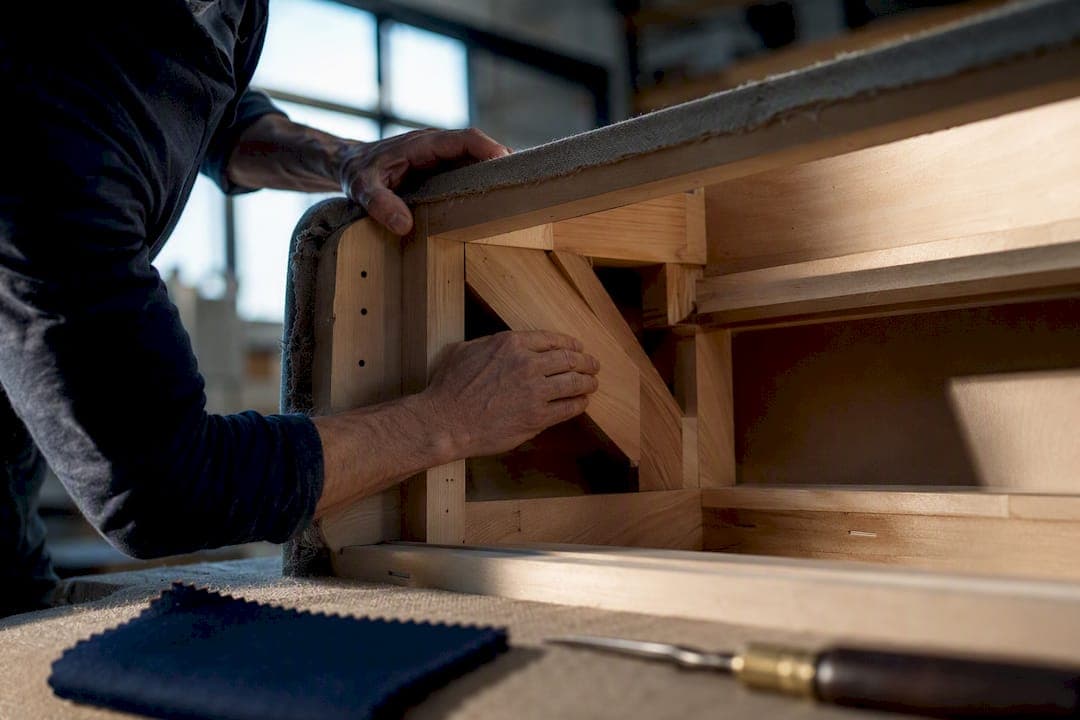
Good hotel furniture design must reconcile three demands at once: guest comfort, contract-grade durability, and long-term maintainability. Balancing those priorities, rather than chasing any one in isolation, is what separates furniture that survives a five-year refurbishment cycle from furniture that fails it. Trade suppliers such as Simmons Interior Supply build to this brief daily, and every piece specified for public or guest areas should carry proof of fire-safety and commercial-grade compliance before it ever reaches site.
TL;DR:
- Furniture in guest rooms must prioritize ergonomics and support, with bedside units providing accessible power and desks supporting both work and service needs.
- Contract-grade finishes, including textiles, timber, and surface treatments, are essential for durability, stain resistance, and compliance, not just marketing claims.
- Modular furniture design reduces lifecycle costs by enabling repairs and component replacements, especially in guestroom casegoods and high-turnover areas.
- Fire safety compliance is non-negotiable and requires certification for foams, upholstery, and finishes before installation, with structural and electrical safety also critical.
- Incorporating regional materials, sustainable sourcing, and integrated IoT features makes hotel furniture more environmentally friendly, future-proofed, and aligned with current design trends.
Table of Contents
- Hotel furniture design principles for guest rooms, lobbies and outdoor spaces
- Materials and finishes: what contract-grade actually means
- Durability, maintenance and fire-safety compliance
- Modularity and tech integration for future-proofing
- How to specify bespoke hotel furniture design
- Procurement, lead times and where FF&E budgets concentrate
- What ergonomic and comfort standards apply to hotel furniture?
- What design trends define hotel furniture right now?
- What safety standards govern hotel furniture and finishes?
- How does sustainability shape material choices in hotel furniture?
- How do cultural and regional preferences shape hotel furniture design?
- How is smart furniture and IoT changing hotel settings?
- Why bespoke, repairable furniture is the smarter long-term investment
- Commission bespoke hotel furniture with Simmons Interior Supply
- Sources
Hotel furniture design principles for guest rooms, lobbies and outdoor spaces
Each zone in a hotel asks something different of its furniture, and treating them identically is one of the most common specification mistakes. Guest rooms live and die on ergonomics: the bed frame height, the reach to a bedside lamp switch, the desk depth for a laptop and room-service tray. Public areas answer to a different master entirely, one built around durability under constant, unpredictable footfall. Outdoor and balcony furniture faces a third set of pressures altogether, chiefly weather, that neither of the other two zones ever has to consider.
- Guest rooms: bedside units need integrated power close to the pillow line; desks should support both a laptop and a room-service tray without crowding.
- Lobbies and public areas: anchor seating (banquettes, deep armchairs) needs to survive years of use, while smaller occasional pieces allow flexible regrouping for events.
- Outdoor and balcony furniture: powder-coated aluminium, teak, or resin weaves resist moisture; fixings should be corrosion-resistant, not just the visible frame.
Sightlines and circulation matter just as much as the pieces themselves. A lobby crowded with beautiful but immovable furniture fails operationally, even when every individual item is well made. Practical selection advice from the hospitality sector consistently comes back to the same short list: match comfort to the space, keep a coherent design identity across zones, favour easy-care materials, and choose multifunctional pieces wherever guest flow allows it. Focusing on a handful of high-impact pieces (the bed, the primary seating, the workspace) and refreshing everything else with soft goods is a far more resilient strategy than replacing whole rooms on every renovation cycle.
Materials and finishes: what contract-grade actually means
Contract-grade is not a marketing label. It refers to a specific performance threshold: upholstery, timber, and surface finishes that withstand years of daily cleaning, sunlight, and abrasive contact without failing early. Residential fabrics rarely survive that regime, which is precisely why commercial furniture design diverges so sharply from domestic sofa-making past the frame stage.
Upholstery is the clearest example. Contract-grade textiles such as solution-dyed acrylics and treated polyesters resist fading and staining far better than standard cotton blends, because the colour is locked into the fibre rather than sitting on the surface. Timber choices split along a similar line: solid hardwood offers longevity and repairability, while engineered timber with a quality veneer offers dimensional stability in rooms with fluctuating humidity, useful near bathrooms or coastal properties. Surface treatments matter too. Low-VOC, water-based lacquers are now standard for guest-room joinery, and abrasion ratings on any painted or laminated surface should be requested in writing, not assumed.
- Ask for fabric composition and a Martindale abrasion rating before approving upholstery.
- Request FSC certification for timber sourcing where sustainability claims are made.
- Confirm VOC data and fire-test certificates for any lacquered or foam-filled component.
Pro Tip: Ask suppliers for a physical finish sample under the room's actual lighting, not a swatch under office fluorescents. Colour and sheen shift dramatically under warm hospitality lighting.
Durability, maintenance and fire-safety compliance
Serviceability is the difference between a chair that earns its keep for a decade and one that becomes a write-off after eighteen months. Reinforced joints, corner blocking, and upholstery panels that unzip for replacement rather than requiring a full reupholster all belong in a sound specification. Cleaning compatibility deserves equal weight: housekeeping teams use disinfectants and steam extraction routinely, and a fabric or finish that cannot tolerate that regime will degrade fast regardless of how well it is built underneath.
Fire safety is not optional and should never be treated as a late-stage checkbox. Commercial upholstery and foams must meet recognised fire-safety standards, and specifiers should request certificates of compliance before any order is confirmed, not after installation. A supplier unwilling to produce these on request is a red flag worth acting on immediately.
A practical maintenance clause for tender documents should cover:
- Certificates of compliance for all foams and upholstery, supplied before dispatch.
- A defined cleaning protocol matched to the specified fabric and finish.
- Availability of replacement parts (fixings, castors, panels) for a minimum five-year window.
- A response-time commitment for warranty repairs.
Statistic callout: Trend analysis of hotel FF&E procurement points to modularity and sustainability as the two factors most consistently linked to lower whole-life furniture costs, ahead of upfront unit price.
Modularity and tech integration for future-proofing
Modular furniture design lets a hotel replace a damaged tabletop, swap a worn panel, or upgrade a power module without scrapping the whole unit. That single distinction, repair rather than replace, is what keeps lifecycle costs down across a ten-year asset life. Fully bespoke, monolithic pieces still have their place: a signature reception desk or a sculptural lobby table earns the extra cost through visual impact alone. But guestroom casegoods, where every unit must match across dozens or hundreds of rooms, are usually better served by modular construction.
- Specify USB-C and USB-A charging alongside traditional sockets, tested to relevant electrical safety standards.
- Route cabling through concealed channels in the desk or bedside unit rather than trailing across the floor.
- Choose wireless charging pads only where the surface material doesn't interfere with the charging coil.
Pro Tip: Reserve fully bespoke, one-off pieces for spaces guests photograph. Reserve modular systems for anything replicated across many rooms.
How to specify bespoke hotel furniture design
A strong brief is the single biggest predictor of a smooth bespoke commission. It should state function first (what the piece must do), then guest profile, finish schedule, cleaning tolerance, and any compliance requirements the piece must meet before it leaves the workshop.
- Define function and dimensions against the room plan, not a catalogue standard.
- Specify the finish schedule, including colour reference and abrasion or VOC requirements.
- State maintenance tolerance: what cleaning regime the piece must survive.
- Confirm compliance needs, particularly fire-safety certification for upholstered items.
- Approve a physical prototype before committing to full production.
Prototyping is where most costly mistakes get caught before they become expensive ones. A single sample can reveal a seat height that reads wrong against a particular carpet pile, or a drawer action that sticks once lacquer cures fully.
- Trade accounts typically require password-protected access and a minimum order quantity per bespoke run.
- Lead times and finish options should be confirmed in writing at brief stage, not assumed from a previous project.
- Case studies and supplier performance metrics are worth requesting directly from your account manager.
Simmons Interior Supply works this way with every trade client, treating the brand's own commissioning history as the starting reference point for new briefs, and pairing it with guidance on bespoke sofa commissioning for seating-heavy projects.
Procurement, lead times and where FF&E budgets concentrate
Realistic scheduling protects a project from the single most common FF&E failure: furniture arriving after the opening date. Custom joinery typically needs the longest lead time in any hotel furniture programme, followed by prototype approval, then batch production, then shipping and installation. Contract textiles with specific dye lots can also add weeks if they are not confirmed early.
Cost concentrates in predictable places. Custom joinery and finish work carry the largest share, contract-grade textiles the second largest, and shipping plus professional installation a smaller but easily underestimated third. Manufacturers that combine in-house design with factory production, as seen across hospitality furniture programmes, tend to offer tighter lead-time visibility because design and production sit under one roof.
- Standardise fixings across room types to simplify future repairs and cut spare-parts inventory.
- Specify modular, replaceable components anywhere full custom isn't essential to the design.
- Budget a contingency line for warranty replacements in year one, when defects surface fastest.
Pro Tip: Ask any supplier what percentage of their lead time is prototyping versus production. A vague answer usually means the timeline itself is vague. For a deeper look at trade-side cost control, see this guide to value-engineering bespoke FF&E.
What ergonomic and comfort standards apply to hotel furniture?
Hotel furniture ergonomics differ from residential ergonomics in one crucial way: the user is a stranger to the piece, every single time. A guest has no chance to adjust to an unusually low sofa or a mattress that runs firm, so tolerances need to sit close to population averages rather than accommodate one household's preference.
Bed height is generally selected to be comfortable for the widest range of guests getting in and out without strain, adhering to common ergonomic standards. Desk chairs need enough seat depth to support a range of body types for short working sessions, not all-day ergonomic use, which changes the calculus versus office furniture entirely. Lobby seating faces a different test again: it must feel inviting for a five-minute wait and still hold up structurally after being sat in thousands of times a year.
Armrest height, seat firmness, and back support all matter more in hospitality than they might appear on a spec sheet, because a hotel chair gets one chance to feel right. There's no adjustment period, no returns policy in the guest's mind, just an immediate physical impression that shapes their view of the whole room. Getting seat pitch and cushion density right during prototyping, not after installation, is where that impression actually gets decided.
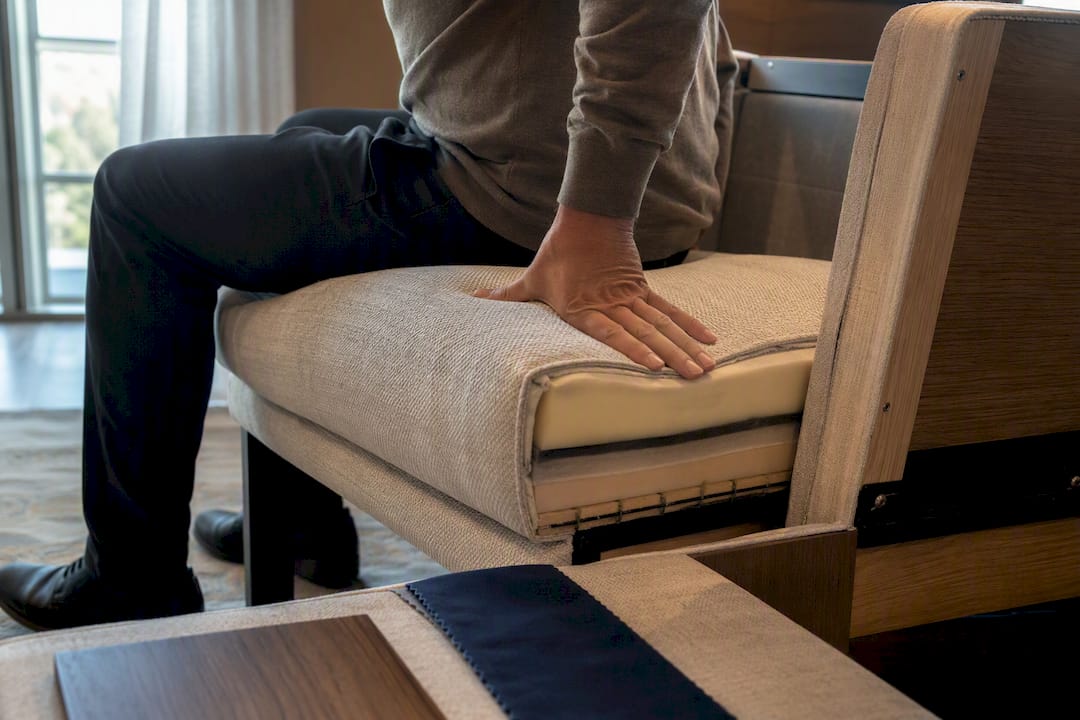
Accessibility sits alongside ergonomics rather than apart from it. Furniture that suits a wide range of mobility levels, seat heights that work for an ageing guest as well as a younger one, clear turning space around a desk, benefits every guest, not just those it was technically designed for. A closer look at accessible furniture specification is worth reading before finalising any public-area brief.
What design trends define hotel furniture right now?
Sculptural forms, warm timber tones, and a deliberate softening of the corporate hotel look dominate current hospitality interiors. Sharp, minimalist lines have given ground to rounded silhouettes and tactile textures, chairs and tables that look handled rather than manufactured. This shift runs alongside a broader move towards boutique hotel furniture design, where independent properties differentiate themselves through a distinct visual identity rather than a chain-standard package.
Industry trend reporting consistently names three forces shaping hotel furniture concepts heading further into this decade: modularity, technology integration, and sustainable material choices. These aren't competing trends fighting for attention; they tend to appear together in the same well-specified room.
Regional material palettes are also resurfacing after years of globally homogenous hotel interiors. Locally sourced stone, regional timber species, and artisanal textiles are increasingly specified deliberately, not as a cost-saving default but as a design statement. Mixed metals, particularly aged brass paired with matte black, continue to appear across lighting and hardware, while biophilic touches, integrated planters, natural fibre weaves, timber slat detailing, show up across both boutique and larger branded properties. The best hospitality furniture manufacturers now build entire ranges around this blend of tactility and technology rather than treating them as separate specification lines.
What safety standards govern hotel furniture and finishes?
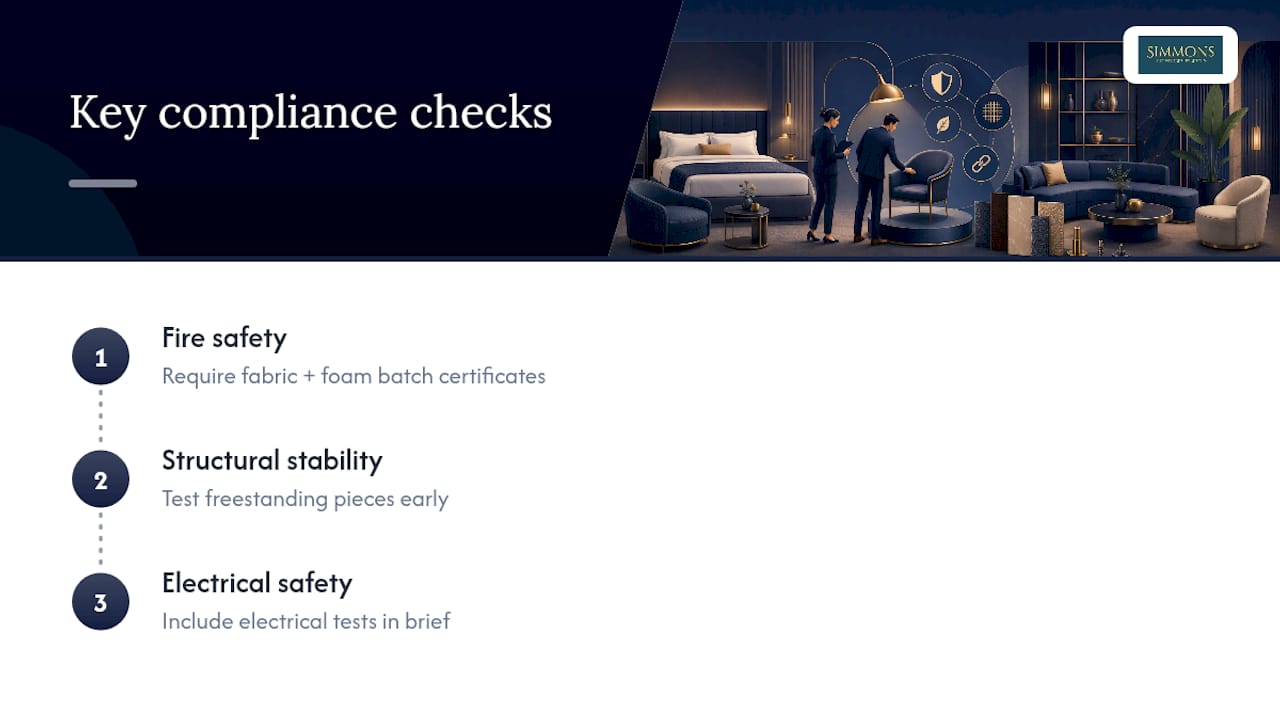
Fire safety sits above every other compliance requirement in hotel furniture design, and for good reason: upholstered furniture and foam fillings are a recognised fire-risk category in commercial buildings. Guidance on fire safety in commercial and care settings sets expectations that specifiers should treat as a floor, not a ceiling, when reviewing supplier documentation.
Certificates of compliance for foams and upholstery should arrive with every order, covering the specific fabric and filling combination used, not a generic product-line certificate that may not match the actual batch supplied. Designers commissioning custom pieces sometimes overlook this step precisely because bespoke work feels exempt from standard commercial rules. It isn't. A one-off sofa for a hotel lobby carries the same fire-safety obligations as a mass-produced equivalent.
Beyond fire safety, structural stability testing matters for any freestanding piece guests might lean on, climb onto, or use to support their weight unexpectedly, headboards, console tables, and bar stools among them. Electrical safety testing applies wherever furniture integrates charging points or lighting, an increasingly common feature in modern hotel furnishings. Building these checks into the brief from the outset, rather than retrofitting compliance after a prototype is approved, saves both time and risk.
How does sustainability shape material choices in hotel furniture?
Sustainability has moved from a nice-to-have line item to a genuine specification driver, and guests increasingly notice the difference. FSC-certified timber, recycled or recyclable metal components, and low-VOC finishes now appear as standard requests in hospitality tenders rather than premium add-ons.
Material longevity is itself a sustainability argument, often the strongest one available. A well-built, repairable chair that lasts fifteen years and gets reupholstered twice has a far lighter environmental footprint than three cheaper chairs replaced in succession over the same period. This is where durability and sustainability stop being separate specification categories and start reinforcing each other directly.
Natural fibre upholstery, wool blends, linen, and treated cotton canvas, is seeing renewed interest, provided it can be paired with a protective treatment that maintains contract-grade cleaning tolerance. Reclaimed and regionally sourced timber also reduces transport emissions while giving a property a material story worth telling guests. Sourcing decisions increasingly weigh embodied carbon alongside upfront cost, a shift that rewards suppliers who can document their supply chain rather than simply asserting sustainability credentials on a product sheet.
How do cultural and regional preferences shape hotel furniture design?
A hotel furniture brief written for a coastal boutique property in the south of England should look different from one written for a city-centre business hotel, and not just because of budget. Climate, guest demographics, and local craft traditions all shape what "right" looks like for a given property.
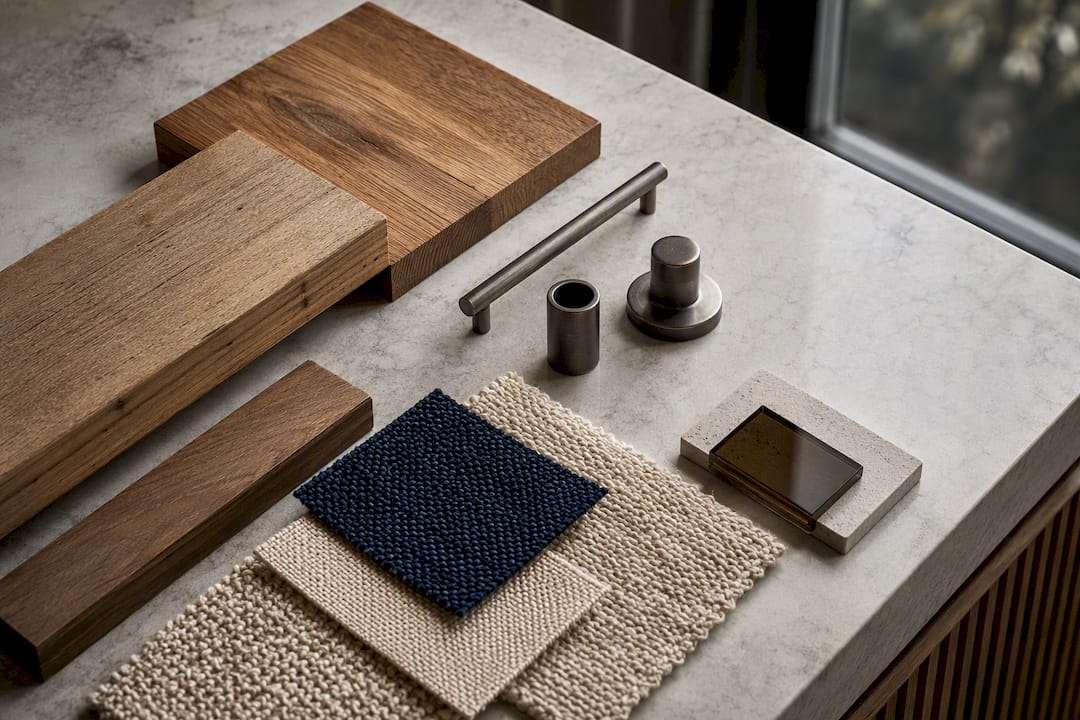
Coastal and warmer-climate properties lean towards lighter timbers, rattan, and breathable natural fabrics that suit informal, relaxed guest expectations. Urban business hotels tend towards a more restrained palette, darker timbers, structured upholstery, furniture that reads efficient and considered rather than leisurely. Neither approach is more correct; they answer different guest expectations entirely.
Regional craft traditions also influence material choice in ways worth preserving rather than overriding with a generic global brief. Locally made textiles, regional stone finishes, or a nod to vernacular architecture in furniture silhouettes give a property a sense of place that mass-produced, globally sourced furniture simply cannot replicate. The best boutique hotel furniture suppliers understand this and build flexibility into their finish schedules precisely so a single base design can be adapted across very different regional contexts without a full redesign each time.
How is smart furniture and IoT changing hotel settings?
Smart furniture in hospitality has moved well past novelty charging pads into genuinely useful integration. Bedside tables with app-controlled lighting, desks with occupancy sensors that feed into housekeeping scheduling, and mirrors with integrated demist and lighting controls are appearing across mid-market and luxury hotel furniture programmes alike.
The operational case is straightforward: IoT-enabled furniture that reports its own condition, a loose fixing, a failing charging module, lets maintenance teams intervene before a guest ever encounters the fault. That shifts maintenance from reactive to predictive, a meaningful efficiency gain across a large property with hundreds of identical units.
The specification challenge is keeping technology modular rather than hardwired into the furniture's structure. A charging module or sensor embedded in a fixed housing, rather than soldered directly into the joinery, can be swapped out as standards evolve without replacing the entire piece. Given how quickly charging standards and wireless protocols shift, this single design decision, modular tech housings versus integrated wiring, will likely determine which hotel furniture programmes age gracefully over the next product cycle and which need a costly mid-life refit.
Why bespoke, repairable furniture is the smarter long-term investment
Hotels that specify for repairability rather than replaceability consistently spend less over a decade, even when the upfront unit cost runs higher. That's the uncomfortable truth conventional procurement wisdom tends to skip past in the rush to hit an opening-day budget. A beautifully finished chair that can't be reupholstered locally, or a desk with a proprietary fixing nobody stocks, becomes an expensive liability the moment it needs its first repair.
Craftsmanship and repairability aren't competing priorities. They're the same priority, viewed from different points in the asset's life. Demand samples before committing to a production run. Demand fire-safety and foam certificates in writing, not verbally. And demand a clear plan for replacement parts before the first guest ever sits in the chair. Suppliers who can't answer those three requests confidently probably shouldn't be shortlisted at all.
— Luke
Commission bespoke hotel furniture with Simmons Interior Supply
Simmons Interior Supply is the specifier's alternative to catalogue-only hospitality suppliers: every piece is handcrafted to order, sized and finished around your actual brief rather than adapted from a fixed product range.
Working with trade clients directly, Simmons Interior Supply provides physical finish samples, detailed finish schedules, and white-glove delivery coordinated around your installation window, not a generic dispatch date. That means fewer surprises at prototype stage and a supplier who can speak to fire-safety and contract-grade compliance from the outset, rather than after a query is raised. Trade accounts get direct access to bespoke sizing and finish options across the full furniture collection, including modular and monolithic pieces built for hospitality use.
If you're currently specifying occasional tables or a lobby seating group, the bespoke nest of coffee tables page shows exactly how sizing and finish customisation works in practice. Ready to start a brief? Set up a trade account and request your first sample.